


Related articles
LIVE WELL
What Is Ginger Good For?
5 May 2023

 2 mins read
2 mins read

A fiery herb packed with intense flavour and zingy heat, ginger, is one of the most widely used spices of all. The story of ginger takes root 5,000 years ago – celebrated for its healing powers by Confucius, to becoming a symbol of wealth and fertility for the Romans and offered as one of the fruits of heaven in the Holy Quran.
INTERESTING FACTS
- Ginger is actually a rhizome, not a root. A rhizome is an underground stem.
- Ginger is a part of the Zingiberaceae family, which also includes turmeric and cardamom.
- Global production of ginger is dominated by India, followed by China.
- Marco Polo was one of the first to describe the living plant during his journey Far East, thus introducing ginger to Europe.


DIGESTION
- The phenolic compounds in ginger are known to help relieve gastrointestinal (GI) irritation, bloating, chronic indigestion and heart burn. It stimulates saliva and bile that aid in digestion.
- A daily dose of ginger could reduce colon inflammation and ultimately help reduce the risk of colorectal cancer.1

NAUSEA
- Chewing raw ginger or drinking ginger tea is a common home remedy to prevent motion sickness and nausea induced by illness or medical treatment.
- In Malaysia, midwives usually advise pregnant women to consume ginger to help with morning sickness.

COLD & FLU RELIEF
- Fresh ginger tea is a common Asian herbal beverage to help relieve symptoms of cold or flu. The anti-inflammatory gingerols and shaogals in ginger root not only help relieve a sore throat quickly, but they also kill rhinoviruses, which cause colds in the first place.

REDUCES PAIN
- A study carried out at the University of Georgia found that daily ginger supplementation reduced exercise-induced muscle pain by 25 percent.2
- Ginger has also been found to reduce the symptoms of dysmenorrhea, the severe pain that some women experience during a menstrual cycle.3

ANTI-INFLAMMATORY
- Ginger has been used for centuries to reduce inflammation and treat inflammatory conditions.
- It has anti-inflammatory, anti-ulcer and antioxidant activities, as well as a small amount of analgesic property that can help patients with arthritis.4

LOWERS BLOOD SUGARS
& IMPROVES CARDIOVASCULAR HEALTH
- Other medicinal advantages of ginger include reducing cholesterol, lowering the risk of blood clotting, and helping to maintain healthy blood sugar levels.

IMPROVES BRAIN FUNCTION
- Some studies suggest that the antioxidants and bioactive compounds in ginger inhibit inflammatory responses that occur in the brain that can help protect against Alzheimer's disease and enhance brain functionality.5
4 WAYS TO CONSUME GINGER
Fresh, dried, powdered, pickled, capsuled or crystalized – there are many ways of using this aromatic herb. Here are four basic ways to consume the benefits of ginger.
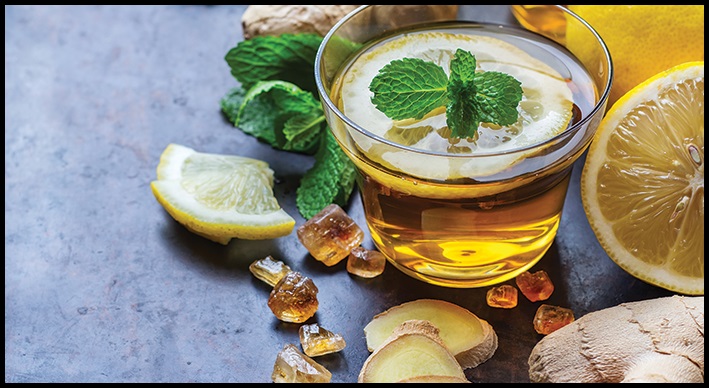
BREW IT
- Love drinking tea? Try it with ginger! Add chopped fresh ginger into your mug and let it brew in hot water. You can add honey and a squeeze of lemon for additional flavour.
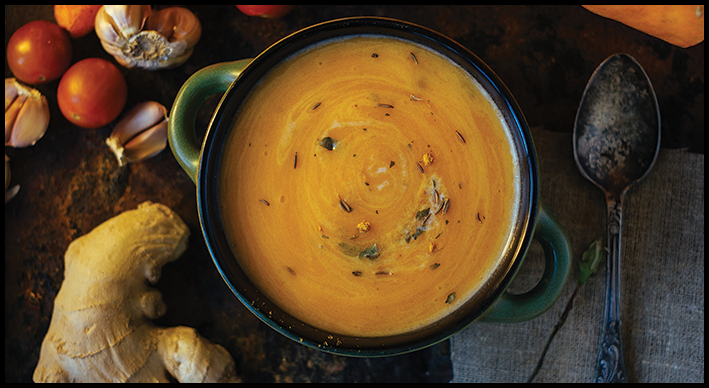
STEW IT
- Both dried and fresh ginger, grated or pureed, brings wonderful zest to hot, rich stews and soups.

STIR-FRY IT
- Chicken, fish, red meat or just vegetables, every stir-fry could use a little grated or minced ginger to spice things up.

SWEETEN IT
- You can add a dash of fresh ginger to cakes, pies, biscuits and breads to add a little zing to tantalise your sweet tooth.
References
1) https://www.livescience.com/16502-daily-ginger-dose-reduce-risk-colorectal-cancer.html
2) https://www.ncbi.nlm.nih.gov/pubmed/20418184%20
3) https://www.ncbi.nlm.nih.gov/pubmed/19216660
4) https://www.ncbi.nlm.nih.gov/pmc/articles/PMC3665023/
5) https://www.ncbi.nlm.nih.gov/pmc/articles/PMC4211852/
The above articles are intended for informational purposes only. AIA accepts no responsibility for loss which may arise from reliance on information contained in the articles.


Share


